
Innovation is the driving force of any industry. Introducing innovations that add novelty and value to the brand is important for entrepreneurs who seek healthy business growth. Healthcare ventures are no different, as they must also keep up with the latest trends, advancements, and technologies. Continuous innovation helps businesses keep audiences satisfied and engaged.
Recent technological advancements in the healthcare industry benefit workspaces, employees, and customers. Smart devices, for instance, allow a person to monitor their fitness levels throughout the day. These devices record health information, store data over time, and sync easily with apps. Users can track day-to-day health performance, exercise, calorie intake, pulse rate, heart rate, and more. Smart wearables can be worn on the wrists to detect changes in the body and alert users of any irregularities. Top healthcare professionals across the world recommend their use too.
Technology innovations across industries have enhanced communication, data storage, data transfer, business operations, and employee productivity. Innovation improves the current landscape and creates a progressive future. Let us look into the innovations made in the healthcare industry and how they have added value to the system.
EHRs:
Electronic Health Records (EHRs) are among the leading innovations in healthcare. Before their use, managing extensive data and paperwork was a hassle. These systems document up-to-date patient details from the first visit. As a patient’s health condition changes, medical records need to be updated accordingly. Maintaining extensive paper records made it difficult to keep patient information up to date. Healthcare professionals can now access a patient’s medical history, condition, and other details through EHRs.
EHRs also improve communication and information sharing among authorized healthcare professionals.
Easier access to patient records can help providers coordinate treatment, reduce administrative work, and deliver better-quality care.
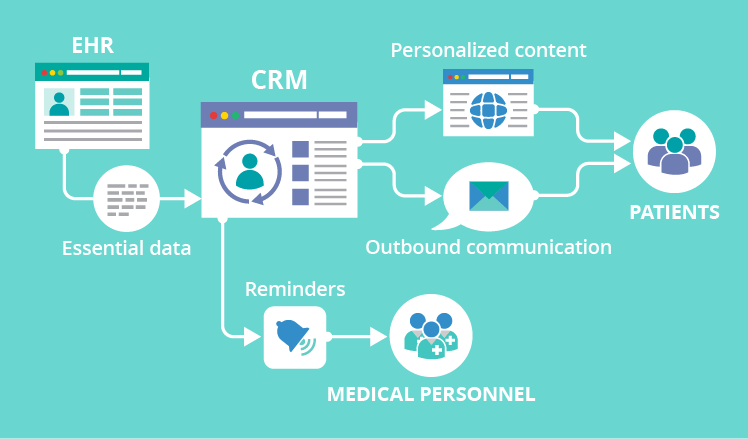
Image Source: Scnsoft.com
EHRs are making communication simple between the client and service providers. The healthcare professionals acknowledge the ease that EHRs brings as it has helped them expand their client base and provide better quality services.
Telehealth and Remote Care:
Telehealth allows patients to consult healthcare professionals by video. These telehealth services are useful for those living in remote areas where healthcare access is limited. By analyzing patient symptoms, physicians can diagnose certain conditions and recommend appropriate treatment without requiring an in-person visit.
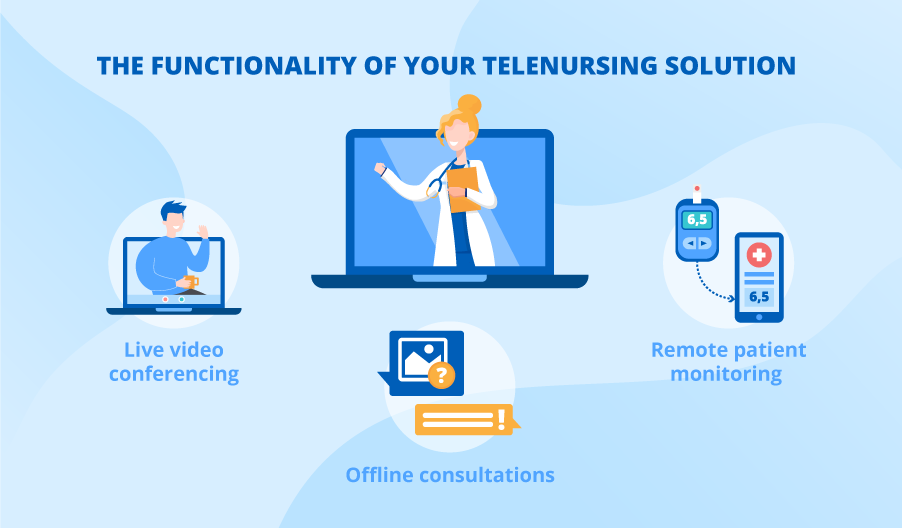
Image Source: Scnsoft.com
Through constant communication, tracking health through wearables, and considering the chain of ailments, a healthcare professional can provide services as outstanding as he or she provides with the work station. This way, physicians can expand their scope and serve more people at many affordable prices. The remote care concept saves finances for the doctors as well as patients by reducing hospital visits and freeing rooms for the ones with emergency needs.
LASIK:
Laser technology has expanded treatment options. It corrects vision permanently, offering convenience for patients with visual impairment. It reduces dependence on contact lenses and eyeglasses.
Retail Clinics:
Retail clinics provide convenient, quality care for minor illnesses and injuries such as colds and flu, minor sprains, burns, and allergies. These facilities are set up in retail stores, pharmacies, or supermarkets like CVS, allowing patients to receive care without having to visit a medical center or hospital.
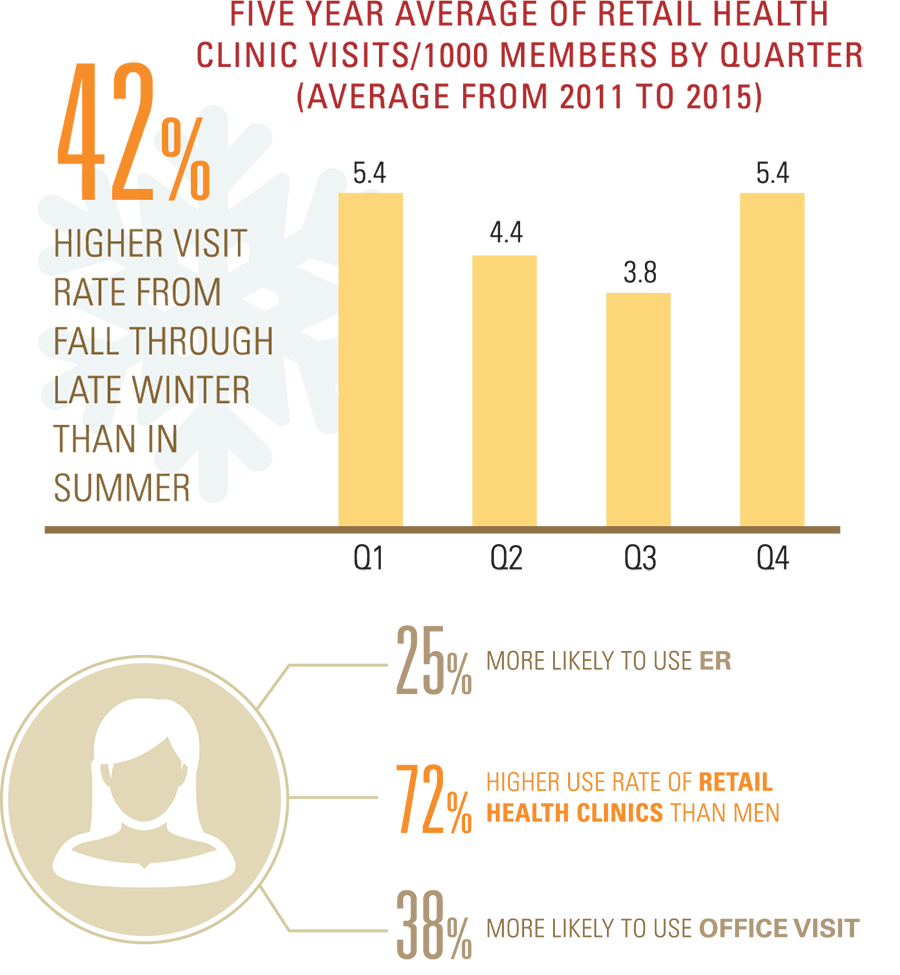
Image Source: bcbs.com
Just like remote care, retail clinics are also aimed at minimalizing hospital visits for minor issues. The ones with urgent needs can make the use of hospitals more. Lesser hospital trips mean lesser workload for employees and healthcare professionals. This will directly improve service quality and make the environment healthier and productive. The healthcare professionals will no longer need to cater to all patients in dire need to retain them. Instead, they can first treat the ones with emergency requirements. Retail clinics are more approachable for patients as they have massive accessibility, cost-effective, convenient, and quality-based services.
Augmented Reality:
Augmented reality is an emerging technology with applications in surgical procedures and training. It can assist surgeons in visualizing anatomical structures during procedures. Its applications also extend to gaming, education, and retail industries.
With augmented reality, practitioners and trainees can perform procedures on three-dimensional representations of the human body. This is especially beneficial for trainees to help understand the anatomical structures of the human body.
Concluding Note:
The healthcare industry continually seeks to improve efficiency and productivity. Innovations such as these have made progress in various areas of healthcare, although their use and effectiveness differ across clinical settings. These advancements can give healthcare professionals more time to focus on patient needs and clinical responsibilities.